

- antarandatnt
- Papua
- February 25, 2026
- No Comments
Travel Guides
The Heart of the Bird of Paradise: Discovering Papua’s Ancient Cultures
Beyond its breathtaking landscapes, Papua is home to over 250 diverse ethnic groups, each with a rich tapestry of traditions. Discover the vibrant festivals, unique architecture, and the resilient spirit of a land that remains one of the most culturally significant places on Earth.
About
About Papua: The Wild Frontier
Papua is characterized by its untamed wilderness, ranging from mangrove-fringed coasts to the equatorial glaciers of the Jayawijaya Mountains. It is culturally distinct from the rest of Indonesia, inhabited by over 250 indigenous tribes speaking hundreds of unique languages.
Key Geographic Regions :
The region is currently divided into several provinces to improve administration, including:
West Papua (Papua Barat): Famous for Raja Ampat, the "Crown Jewel" of global diving.
Papua (Jayapura): The administrative heart, featuring the stunning Lake Sentani.
Mountainous Papua (Papua Pegunungan): Home to the Baliem Valley, where ancient traditions are preserved amidst jagged peaks.
South Papua (Papua Selatan): Known for the vast wetlands of Wasur National Park and the unique Asmat culture.
Central Papua (Papua Tengah): Home to Puncak Jaya (Carstensz Pyramid), one of the world's "Seven Summits" (4,884m).
Location & Geography
Borders:
East: Shares a land border with the independent nation of Papua New Guinea.
North: The Pacific Ocean.West: The Halmahera and Ceram Seas.
South: The Arafura Sea (separating Papua from Australia).
Access to Papua:How to Get There
Due to its remote location and rugged terrain, air travel is the only practical way for tourists to reach Papua.
1. Major Entry Airports (Gateways)
There are three main airports that connect Papua to the rest of Indonesia:
Sentani International Airport (DJJ) - Jayapura: * The primary hub for the eastern mainland.
Flights from: Jakarta (approx. 5 hours), Makassar (approx. 3 hours), and Surabaya.
Domine Eduard Osok Airport (SOQ) - Sorong: * The gateway to Raja Ampat.
Flights from: Jakarta, Makassar, Manado, and Ambon.
Mozes Kilangin Airport (TIM) - Mimika: * Primary access for those visiting the Lorentz National Park or the mining regions.
2. Regional Internal Flights
Once you arrive at a major gateway, you often need a smaller aircraft (Cessna or Twin Otter) to reach remote areas:
To Baliem Valley: You must fly from Jayapura to Wamena (WMX). It is a 45-minute flight through high mountain passes.
To Raja Ampat: From Sorong airport, you take a taxi to the harbor, followed by a 2-hour ferry or a private speedboat to Wasai (the capital of Raja Ampat).
3. By Sea (PELNI Ships)
For those with plenty of time, Indonesia’s national shipping line PELNI serves many ports in Papua (Sorong, Manokwari, Jayapura, and Merauke).
Travel Time: A journey from Jakarta to Jayapura can take 5 to 7 days.
Benefit: It is significantly cheaper than flying and offers a true "slow travel" experience through the archipelago.
Important Travel Requirements:
Surat Jalan (Travel Permit): While no longer required for most major tourist coastal hubs (like Sorong or Jayapura), a Surat Jalan from the local police is often still required for those venturing deep into the interior highlands (like Baliem Valley or the deeper jungle).
Health: Papua is a malaria-endemic region. Travelers are strongly advised to consult a doctor regarding malaria prophylaxis and use high-quality insect repellent.
Physical Fitness: High-altitude trekking in the mountains or humid jungle expeditions require a good level of physical preparation.
Papua is characterized by its untamed wilderness, ranging from mangrove-fringed coasts to the equatorial glaciers of the Jayawijaya Mountains. It is culturally distinct from the rest of Indonesia, inhabited by over 250 indigenous tribes speaking hundreds of unique languages.
Key Geographic Regions :
The region is currently divided into several provinces to improve administration, including:
West Papua (Papua Barat): Famous for Raja Ampat, the "Crown Jewel" of global diving.
Papua (Jayapura): The administrative heart, featuring the stunning Lake Sentani.
Mountainous Papua (Papua Pegunungan): Home to the Baliem Valley, where ancient traditions are preserved amidst jagged peaks.
South Papua (Papua Selatan): Known for the vast wetlands of Wasur National Park and the unique Asmat culture.
Central Papua (Papua Tengah): Home to Puncak Jaya (Carstensz Pyramid), one of the world's "Seven Summits" (4,884m).
Location & Geography
Borders:
East: Shares a land border with the independent nation of Papua New Guinea.
North: The Pacific Ocean.West: The Halmahera and Ceram Seas.
South: The Arafura Sea (separating Papua from Australia).
Access to Papua:How to Get There
Due to its remote location and rugged terrain, air travel is the only practical way for tourists to reach Papua.
1. Major Entry Airports (Gateways)
There are three main airports that connect Papua to the rest of Indonesia:
Sentani International Airport (DJJ) - Jayapura: * The primary hub for the eastern mainland.
Flights from: Jakarta (approx. 5 hours), Makassar (approx. 3 hours), and Surabaya.
Domine Eduard Osok Airport (SOQ) - Sorong: * The gateway to Raja Ampat.
Flights from: Jakarta, Makassar, Manado, and Ambon.
Mozes Kilangin Airport (TIM) - Mimika: * Primary access for those visiting the Lorentz National Park or the mining regions.
2. Regional Internal Flights
Once you arrive at a major gateway, you often need a smaller aircraft (Cessna or Twin Otter) to reach remote areas:
To Baliem Valley: You must fly from Jayapura to Wamena (WMX). It is a 45-minute flight through high mountain passes.
To Raja Ampat: From Sorong airport, you take a taxi to the harbor, followed by a 2-hour ferry or a private speedboat to Wasai (the capital of Raja Ampat).
3. By Sea (PELNI Ships)
For those with plenty of time, Indonesia’s national shipping line PELNI serves many ports in Papua (Sorong, Manokwari, Jayapura, and Merauke).
Travel Time: A journey from Jakarta to Jayapura can take 5 to 7 days.
Benefit: It is significantly cheaper than flying and offers a true "slow travel" experience through the archipelago.
Important Travel Requirements:
Surat Jalan (Travel Permit): While no longer required for most major tourist coastal hubs (like Sorong or Jayapura), a Surat Jalan from the local police is often still required for those venturing deep into the interior highlands (like Baliem Valley or the deeper jungle).
Health: Papua is a malaria-endemic region. Travelers are strongly advised to consult a doctor regarding malaria prophylaxis and use high-quality insect repellent.
Physical Fitness: High-altitude trekking in the mountains or humid jungle expeditions require a good level of physical preparation.
Activities
1. Diving the Global Epicenter of Marine Life (Raja Ampat)
Raja Ampat is widely considered the best diving destination in the world. Located in the Coral Triangle, it holds the record for the highest number of fish and coral species ever recorded in a single dive. Even if you aren't a diver, snorkeling in these turquoise waters feels like swimming in a giant, prehistoric aquarium filled with wobbegong sharks, manta rays, and pygmy seahorses.
2. Witnessing Ancient Traditions in the Baliem Valley
High in the Jayawijaya Mountains, the Baliem Valley offers a profound cultural experience. You can trek between remote villages, cross traditional rattan suspension bridges, and meet the Dani, Lani, and Yali tribes. The highlight for many is the Baliem Valley Festival (usually in August), where hundreds of tribesmen gather for mock battles and traditional "pig feasts" cooked in earth ovens.
3. Searching for the "Birds of Paradise"
Papua is the only place in the world where you can see the legendary Cendrawasih (Birds of Paradise) in the wild. Deep in the rainforests of Nimbokrang or the Arfak Mountains, you can take a pre-dawn trek to watch these birds perform their elaborate, colorful mating dances. It is a bucket-list moment for any nature photographer or birdwatcher.
4. Island Hopping and Kayaking in Piaynemo
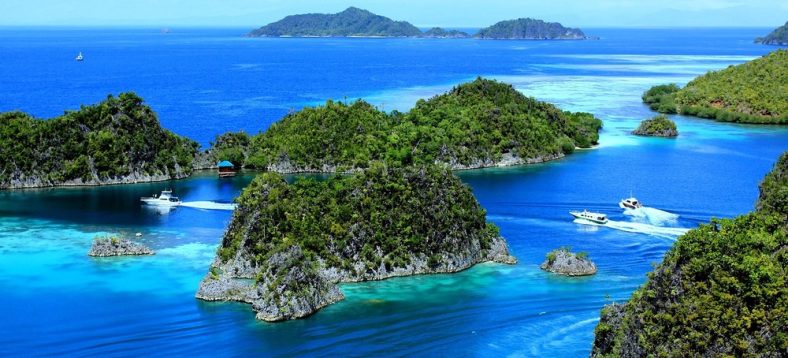
For the most iconic view in West Papua, travelers head to Piaynemo. After climbing a series of wooden stairs, you are rewarded with a breathtaking panorama of jagged limestone "karst" islands scattered across an emerald sea. For the more adventurous, kayaking through these hidden bays and "blue river" passages is a serene way to explore the archipelago’s silence.
5. Exploring the Ancient Rock Art of Misool
In the southern part of Raja Ampat, the islands of Misool hold a secret: ancient red-ochre rock paintings etched onto limestone cliffs. These artworks, thousands of years old, depict human hands, fish, and mysterious symbols, reachable only by boat. It’s a hauntingly beautiful connection to Papua's earliest inhabitants.
6. Discovering Bark Painting on Lake Sentani
Located near the capital of Jayapura, Lake Sentani is a massive, shimmering lake dotted with 21 islands. You can take a motorized canoe to Asei Island, where the local community creates unique art painted on the bark of kombouw trees. The lake’s tranquil atmosphere and stilt-house villages provide a stark, peaceful contrast to the rugged highlands.
7. Conquering the Seven Summits (Puncak Jaya) For elite mountain climbers, Papua offers the ultimate challenge: Puncak Jaya (Carstensz Pyramid). At 4,884meters, it is the highest island peak in the world and one of the "Seven Summits." It is a rare place where you can find tropical glaciers sitting just a few degrees from the equator.
Raja Ampat is widely considered the best diving destination in the world. Located in the Coral Triangle, it holds the record for the highest number of fish and coral species ever recorded in a single dive. Even if you aren't a diver, snorkeling in these turquoise waters feels like swimming in a giant, prehistoric aquarium filled with wobbegong sharks, manta rays, and pygmy seahorses.
2. Witnessing Ancient Traditions in the Baliem Valley
High in the Jayawijaya Mountains, the Baliem Valley offers a profound cultural experience. You can trek between remote villages, cross traditional rattan suspension bridges, and meet the Dani, Lani, and Yali tribes. The highlight for many is the Baliem Valley Festival (usually in August), where hundreds of tribesmen gather for mock battles and traditional "pig feasts" cooked in earth ovens.
3. Searching for the "Birds of Paradise"
Papua is the only place in the world where you can see the legendary Cendrawasih (Birds of Paradise) in the wild. Deep in the rainforests of Nimbokrang or the Arfak Mountains, you can take a pre-dawn trek to watch these birds perform their elaborate, colorful mating dances. It is a bucket-list moment for any nature photographer or birdwatcher.
4. Island Hopping and Kayaking in Piaynemo
For the most iconic view in West Papua, travelers head to Piaynemo. After climbing a series of wooden stairs, you are rewarded with a breathtaking panorama of jagged limestone "karst" islands scattered across an emerald sea. For the more adventurous, kayaking through these hidden bays and "blue river" passages is a serene way to explore the archipelago’s silence.
5. Exploring the Ancient Rock Art of Misool
In the southern part of Raja Ampat, the islands of Misool hold a secret: ancient red-ochre rock paintings etched onto limestone cliffs. These artworks, thousands of years old, depict human hands, fish, and mysterious symbols, reachable only by boat. It’s a hauntingly beautiful connection to Papua's earliest inhabitants.
6. Discovering Bark Painting on Lake Sentani
Located near the capital of Jayapura, Lake Sentani is a massive, shimmering lake dotted with 21 islands. You can take a motorized canoe to Asei Island, where the local community creates unique art painted on the bark of kombouw trees. The lake’s tranquil atmosphere and stilt-house villages provide a stark, peaceful contrast to the rugged highlands.
7. Conquering the Seven Summits (Puncak Jaya) For elite mountain climbers, Papua offers the ultimate challenge: Puncak Jaya (Carstensz Pyramid). At 4,884meters, it is the highest island peak in the world and one of the "Seven Summits." It is a rare place where you can find tropical glaciers sitting just a few degrees from the equator.
4D3N: The Highland Odyssey – Baliem Valley Expedition
Journey into the mist-covered mountains of Papua’s interior. This expedition takes you to the Baliem Valley, home to the resilient Dani tribe, where ancient traditions, stone-age tools, and breathtaking alpine scenery remain untouched by time.
Day 01: Journey to the Highlands
Arrival in Jayapura: Arrive at Sentani International Airport (DJJ) in the morning.
Connecting Flight: Board a short, scenic 45-minute flight over rugged peaks to Wamena (WMX), the heart of the Baliem Valley.
Local Market Visit: Explore the Wamena local market, where tribes from surrounding hills gather to trade unique highland produce and traditional crafts.
Check-in: Transfer to a resort or local boutique lodge overlooking the valley.
Evening: A briefing on Dani culture over dinner as the mountain air cools.
Day 02: The Southern Trek & Suspension Bridges
Trekking the Baliem River: A moderate trek through the southern part of the valley. Pass through sweet potato gardens and witness the incredible engineering of traditional hanging rattan bridges over the roaring Baliem River.
Village Life: Visit a local Dani village to observe their unique "Honai" (mushroom-shaped) houses and learn about their daily agricultural life.
Picnic Lunch: Enjoy a lunch surrounded by the dramatic limestone cliffs of the valley.
Return: Drive back to Wamena for a relaxing evening.
Day 03: The Mummy of Jiwika & Pig Feast
Jiwika Village: Travel to the northern valley to see the 250-year-old smoked mummy of a famous Dani chieftain, preserved with traditional methods.
Traditional Pig Feast (Mock War): Witness a powerful cultural demonstration involving a traditional dance and the "Mock War"—a ritual used to settle disputes. Watch the "Bakarmatu" (Earth Oven) cooking style, where hot stones are used to slow-cook vegetables and meat underground.
Conti Cave: Explore the nearby salt springs where Dani women traditionally collect salt using banana stalks.
Day 04: Sentani Lakeside Farewell
Flight to Jayapura: Take the morning flight back to Sentani.
Lake Sentani Boat Tour: Before your final departure, enjoy a boat ride on the vast Lake Sentani. Visit Asei Island, famous for its bark paintings, and see the stilt houses of the lakeside dwellers.
MacArthur Monument: Visit the hilltop memorial offering a stunning bird’s-eye view of the lake and the Pacific coastline.
Departure: Transfer to the airport for your afternoon flight to your next destination.
Package Inclusions:
Internal Flights: Roundtrip airfare (Jayapura – Wamena – Jayapura).
Accommodations: 3 Nights in the best available lodges/resorts in Wamena and Jayapura.
Meals: All meals (Breakfast, Lunch, Dinner) including the traditional Pig Feast ceremony.
Permits: Handling of the Surat Jalan (Travel Permit) required for the highlands.
Guide: Expert English-speaking Papuan guide with deep knowledge of tribal customs.
Transfers: All land and water transportation.
Exclusions:
Main flights to/from Jayapura (DJJ).
Personal expenses (souvenirs, laundry).
Travel insurance (highly recommended).
Gratuities for the village performers and boat crews.
Day 01: Journey to the Highlands
Arrival in Jayapura: Arrive at Sentani International Airport (DJJ) in the morning.
Connecting Flight: Board a short, scenic 45-minute flight over rugged peaks to Wamena (WMX), the heart of the Baliem Valley.
Local Market Visit: Explore the Wamena local market, where tribes from surrounding hills gather to trade unique highland produce and traditional crafts.
Check-in: Transfer to a resort or local boutique lodge overlooking the valley.
Evening: A briefing on Dani culture over dinner as the mountain air cools.
Day 02: The Southern Trek & Suspension Bridges
Trekking the Baliem River: A moderate trek through the southern part of the valley. Pass through sweet potato gardens and witness the incredible engineering of traditional hanging rattan bridges over the roaring Baliem River.
Village Life: Visit a local Dani village to observe their unique "Honai" (mushroom-shaped) houses and learn about their daily agricultural life.
Picnic Lunch: Enjoy a lunch surrounded by the dramatic limestone cliffs of the valley.
Return: Drive back to Wamena for a relaxing evening.
Day 03: The Mummy of Jiwika & Pig Feast
Jiwika Village: Travel to the northern valley to see the 250-year-old smoked mummy of a famous Dani chieftain, preserved with traditional methods.
Traditional Pig Feast (Mock War): Witness a powerful cultural demonstration involving a traditional dance and the "Mock War"—a ritual used to settle disputes. Watch the "Bakarmatu" (Earth Oven) cooking style, where hot stones are used to slow-cook vegetables and meat underground.
Conti Cave: Explore the nearby salt springs where Dani women traditionally collect salt using banana stalks.
Day 04: Sentani Lakeside Farewell
Flight to Jayapura: Take the morning flight back to Sentani.
Lake Sentani Boat Tour: Before your final departure, enjoy a boat ride on the vast Lake Sentani. Visit Asei Island, famous for its bark paintings, and see the stilt houses of the lakeside dwellers.
MacArthur Monument: Visit the hilltop memorial offering a stunning bird’s-eye view of the lake and the Pacific coastline.
Departure: Transfer to the airport for your afternoon flight to your next destination.
Package Inclusions:
Internal Flights: Roundtrip airfare (Jayapura – Wamena – Jayapura).
Accommodations: 3 Nights in the best available lodges/resorts in Wamena and Jayapura.
Meals: All meals (Breakfast, Lunch, Dinner) including the traditional Pig Feast ceremony.
Permits: Handling of the Surat Jalan (Travel Permit) required for the highlands.
Guide: Expert English-speaking Papuan guide with deep knowledge of tribal customs.
Transfers: All land and water transportation.
Exclusions:
Main flights to/from Jayapura (DJJ).
Personal expenses (souvenirs, laundry).
Travel insurance (highly recommended).
Gratuities for the village performers and boat crews.

Elemmentor Box
Antar Anda Tour and Travel
Sleman, Yogyakarta, Indonesia
Our team of passionate guides and travel designers are destination experts, ensuring you experience the real heartbeat of every place. Locally experienced guides customized itineraries sustainable & responsible travel customer support.
Recent Posts
Ujung Kulon
Sumba
Bali
Jogjakarta
Lombok
Sulawesi
Categories