

- antarandatnt
- Lumajang
- February 25, 2026
- No Comments
Travel Guides
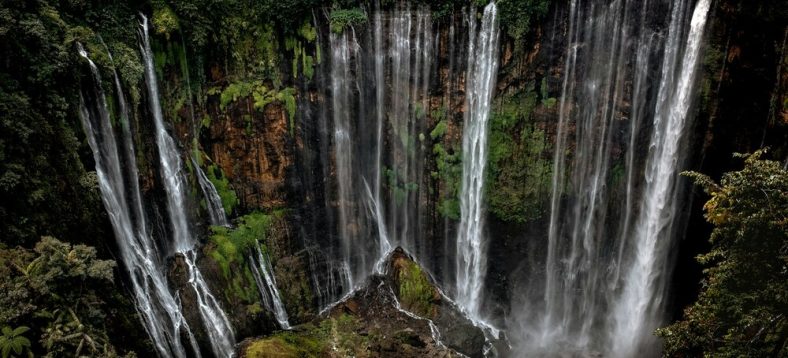
Land of Fire and Mist: Unveiling the Volcanic Wonders of East Java
From the celestial sunrise over the smoking craters of Mount Bromo to the electric blue flames of the Ijen Crater, East Java is a land of dramatic geological wonders. Embark on an adrenaline-fueled journey through rugged terrains, towering waterfalls, and ancient landscapes that feel like another planet.
About
About East Java: A Land of Giants
East Java is defined by its massive volcanic peaks, ancient royal heritage, and some of the most powerful waterfalls in Southeast Asia. It was once the seat of the Majapahit Empire, one of the most powerful empires in maritime Southeast Asian history.
Key Geographic Regions
Surabaya: The provincial capital and Indonesia’s second-largest city. It is a modern industrial hub with deep colonial roots.
Malang & Batu: Situated in the highlands, these cities offer a cool climate, apple orchards, and colonial architecture. They serve as the primary base for Bromo expeditions.
Banyuwangi: Located on the eastern tip, this "Sunrise of Java" is the gateway to the Ijen Crater and ferry crossings to Bali.
Mount Bromo (Tengger Massif):An ethereal volcanic landscape that looks like the surface of the moon, home to the Hindu Tenggerese people.
Tumpak Sewu: Known as the "Thousand Waterfalls," this curtain of water at the foot of Mount Semeru is one of the most photographed spots in Indonesia.
Location & Geography
Borders:
North: The Java Sea.
East: The Bali Strait (only 2-3km)wide at its narrowest point).
South: The Indian Ocean (famous for rugged coastlines and surfing).
West: Central Java province.
Access to East Java: How to Get There
East Java is one of the most accessible provinces in Indonesia, boasting world-class infrastructure, including toll roads and high-frequency train lines.
1. By Air (Major Hubs)
Juanda International Airport (SUB) - Surabaya: The main international gateway.
International: Frequent direct flights from Singapore, Kuala Lumpur, and Hong Kong.
Domestic: Connected to every major city in Indonesia.
Abdul Rachman Saleh Airport (MLG) - Malang: A smaller domestic airport perfect for those heading straight to the highlands or Bromo.
Banyuwangi International Airport (BWX): The best choice for travelers focusing on the Ijen Crater or Meru Betiri National Park.
2. By Train (The Scenic Route)
Java’s rail network is highly efficient and comfortable. Taking the train from Jakarta or Yogyakarta to East Java is a favorite among travelers for the stunning paddy field views.
Executive Trains: Argo Bromo Anggrek (Jakarta to Surabaya) takes about 8 hours.
Routes: There are two main lines: the North Line (via Semarang to Surabaya) and the South Line (via Yogyakarta to Malang/Banyuwangi).
3. By Land (Trans-Java Toll Road)
The Trans-Java Toll Road has revolutionized travel in East Java. You can now drive from Jakarta to Surabaya in approximately 9–10 hours.
Buses: "Sleeper Buses" and Executive Coaches operate daily between major cities, offering high comfort with reclining seats.
4. By Sea (The Bali Connection)
Ketapang Ferry Port (Banyuwangi): If you are coming from Bali, you take a 45-minute ferry ride from Gilimanuk to Ketapang. Ferries run 24/7, departing every 15–30 minutes.
Traveler’s Logistics Tip
If your goal is to see Mount Bromo and Ijen Crater, the most efficient route is the "East Java Overland" trip:
Fly into Surabaya.
Drive to Bromo (3 hours).
Continue to Ijen (6 hours).
Cross the ferry to Bali or fly out from Banyuwangi.
East Java is defined by its massive volcanic peaks, ancient royal heritage, and some of the most powerful waterfalls in Southeast Asia. It was once the seat of the Majapahit Empire, one of the most powerful empires in maritime Southeast Asian history.
Key Geographic Regions
Surabaya: The provincial capital and Indonesia’s second-largest city. It is a modern industrial hub with deep colonial roots.
Malang & Batu: Situated in the highlands, these cities offer a cool climate, apple orchards, and colonial architecture. They serve as the primary base for Bromo expeditions.
Banyuwangi: Located on the eastern tip, this "Sunrise of Java" is the gateway to the Ijen Crater and ferry crossings to Bali.
Mount Bromo (Tengger Massif):An ethereal volcanic landscape that looks like the surface of the moon, home to the Hindu Tenggerese people.
Tumpak Sewu: Known as the "Thousand Waterfalls," this curtain of water at the foot of Mount Semeru is one of the most photographed spots in Indonesia.
Location & Geography
Borders:
North: The Java Sea.
East: The Bali Strait (only 2-3km)wide at its narrowest point).
South: The Indian Ocean (famous for rugged coastlines and surfing).
West: Central Java province.
Access to East Java: How to Get There
East Java is one of the most accessible provinces in Indonesia, boasting world-class infrastructure, including toll roads and high-frequency train lines.
1. By Air (Major Hubs)
Juanda International Airport (SUB) - Surabaya: The main international gateway.
International: Frequent direct flights from Singapore, Kuala Lumpur, and Hong Kong.
Domestic: Connected to every major city in Indonesia.
Abdul Rachman Saleh Airport (MLG) - Malang: A smaller domestic airport perfect for those heading straight to the highlands or Bromo.
Banyuwangi International Airport (BWX): The best choice for travelers focusing on the Ijen Crater or Meru Betiri National Park.
2. By Train (The Scenic Route)
Java’s rail network is highly efficient and comfortable. Taking the train from Jakarta or Yogyakarta to East Java is a favorite among travelers for the stunning paddy field views.
Executive Trains: Argo Bromo Anggrek (Jakarta to Surabaya) takes about 8 hours.
Routes: There are two main lines: the North Line (via Semarang to Surabaya) and the South Line (via Yogyakarta to Malang/Banyuwangi).
3. By Land (Trans-Java Toll Road)
The Trans-Java Toll Road has revolutionized travel in East Java. You can now drive from Jakarta to Surabaya in approximately 9–10 hours.
Buses: "Sleeper Buses" and Executive Coaches operate daily between major cities, offering high comfort with reclining seats.
4. By Sea (The Bali Connection)
Ketapang Ferry Port (Banyuwangi): If you are coming from Bali, you take a 45-minute ferry ride from Gilimanuk to Ketapang. Ferries run 24/7, departing every 15–30 minutes.
Traveler’s Logistics Tip
If your goal is to see Mount Bromo and Ijen Crater, the most efficient route is the "East Java Overland" trip:
Fly into Surabaya.
Drive to Bromo (3 hours).
Continue to Ijen (6 hours).
Cross the ferry to Bali or fly out from Banyuwangi.
Activities
1. Chasing the Celestial Sunrise at Mount Bromo
The most iconic experience in East Java is standing on the rim of the Tengger Caldera at dawn. Watching the sun rise over the smoking craters of Mount Bromo and Mount Batok, while the massive Mount Semeru erupts in the distance, is a spiritual experience. Afterward, you can ride a jeep across the "Sea of Sand" and hike the 250 steps to the very edge of Bromo’s active crater.
2. Witnessing the "Blue Fire" of Ijen Crater
For the truly adventurous, a midnight hike up Mount Ijen is a must. It is one of only two places in the world where you can see the Natural Blue Fire—a stunning phenomenon caused by the combustion of sulfuric gases. As the sun rises, the fire fades to reveal the world’s largest highly acidic crater lake, a striking turquoise gem surrounded by a landscape of yellow sulfur.
3. Standing Beneath the "Thousand Waterfalls" (Tumpak Sewu)
Often called the "Niagara of Indonesia," Tumpak Sewu is a massive curtain of water that drops into a lush, jungle-clad ravine at the foot of Mount Semeru. You can view its majesty from a panoramic platform or trek down into the canyon for a "bottom-up" view that feels like a scene from Jurassic Park.
4. Exploring the "Lost World" of Djawatan Forest
Located in Banyuwangi, Djawatan Forest is a mesmerizing park filled with ancient Trembesi trees covered in ferns and moss. Walking through this forest feels like stepping into the "Fangorn Forest" from The Lord of the Rings. It is a dream destination for photographers and those seeking a peaceful, fairy-tale atmosphere.
5. Surfing the Legendary Waves of G-Land
For surf enthusiasts, Plengkung Beach (G-Land) in Alas Purwo National Park is a holy grail. Known for having one of the best "left-hander" breaks in the world, it offers long, barrelled waves that attract pro surfers globally. If you’re not a surfer, the surrounding national park offers wild encounters with deer, peacocks, and monkeys.
6. Walking Through the "Rainbow Village" (Kampung Warna-Warni)
In the heart of Malang, a formerly slumped slum was transformed into a vibrant explosion of color. Kampung Warna-Warni Jodipan features houses painted in every shade of the rainbow, connected by a glass bridge. It’s a testament to community creativity and a fantastic spot for vibrant street photography.
7. Retracing the Majapahit Empire in Trowulan
History buffs can spend a day in Trowulan, the former capital of the Majapahit Empire, which once ruled most of Southeast Asia. You can explore the red-brick ruins of Candi Brahu, the majestic Bajang Ratu Gate, and the massive Tikus Temple, gaining insight into the golden age of Indonesian Hindu-Buddhist history.
8. Enjoying the Highland Breeze in Batu
If you need a break from the heat, the mountain town of Batu offers a cool retreat. Known as the "Little Switzerland of Java," you can go paragliding from Mount Banyak, pick fresh apples in local orchards, or spend an evening at Batu Night Spectacular for a family-friendly carnival vibe.
The most iconic experience in East Java is standing on the rim of the Tengger Caldera at dawn. Watching the sun rise over the smoking craters of Mount Bromo and Mount Batok, while the massive Mount Semeru erupts in the distance, is a spiritual experience. Afterward, you can ride a jeep across the "Sea of Sand" and hike the 250 steps to the very edge of Bromo’s active crater.
2. Witnessing the "Blue Fire" of Ijen Crater
For the truly adventurous, a midnight hike up Mount Ijen is a must. It is one of only two places in the world where you can see the Natural Blue Fire—a stunning phenomenon caused by the combustion of sulfuric gases. As the sun rises, the fire fades to reveal the world’s largest highly acidic crater lake, a striking turquoise gem surrounded by a landscape of yellow sulfur.
3. Standing Beneath the "Thousand Waterfalls" (Tumpak Sewu)
Often called the "Niagara of Indonesia," Tumpak Sewu is a massive curtain of water that drops into a lush, jungle-clad ravine at the foot of Mount Semeru. You can view its majesty from a panoramic platform or trek down into the canyon for a "bottom-up" view that feels like a scene from Jurassic Park.
4. Exploring the "Lost World" of Djawatan Forest
Located in Banyuwangi, Djawatan Forest is a mesmerizing park filled with ancient Trembesi trees covered in ferns and moss. Walking through this forest feels like stepping into the "Fangorn Forest" from The Lord of the Rings. It is a dream destination for photographers and those seeking a peaceful, fairy-tale atmosphere.
5. Surfing the Legendary Waves of G-Land
For surf enthusiasts, Plengkung Beach (G-Land) in Alas Purwo National Park is a holy grail. Known for having one of the best "left-hander" breaks in the world, it offers long, barrelled waves that attract pro surfers globally. If you’re not a surfer, the surrounding national park offers wild encounters with deer, peacocks, and monkeys.
6. Walking Through the "Rainbow Village" (Kampung Warna-Warni)
In the heart of Malang, a formerly slumped slum was transformed into a vibrant explosion of color. Kampung Warna-Warni Jodipan features houses painted in every shade of the rainbow, connected by a glass bridge. It’s a testament to community creativity and a fantastic spot for vibrant street photography.
7. Retracing the Majapahit Empire in Trowulan
History buffs can spend a day in Trowulan, the former capital of the Majapahit Empire, which once ruled most of Southeast Asia. You can explore the red-brick ruins of Candi Brahu, the majestic Bajang Ratu Gate, and the massive Tikus Temple, gaining insight into the golden age of Indonesian Hindu-Buddhist history.
8. Enjoying the Highland Breeze in Batu
If you need a break from the heat, the mountain town of Batu offers a cool retreat. Known as the "Little Switzerland of Java," you can go paragliding from Mount Banyak, pick fresh apples in local orchards, or spend an evening at Batu Night Spectacular for a family-friendly carnival vibe.
4D3N: The Ring of Fire & Thousand Waterfalls
4D3N: The Ring of Fire & Thousand Waterfalls
Prepare for an adrenaline-fueled journey through the heart of East Java. This expedition takes you from celestial sunrises over volcanic calderas to the mystical "Blue Fire" and the most majestic waterfalls in Southeast Asia.
Day 01: The Gateway to the East (Surabaya – Malang)
Arrival: Meet and greet at Juanda International Airport (SUB) or Surabaya Train Station.
Surabaya Sightseeing: A quick visit to the House of Sampoerna (colonial heritage) or the Submarine Monument.
Transfer to Malang: A 2-hour drive via the toll road to the cool highlands of Malang/Batu.
Rainbow Village: Explore Kampung Warna-Warni Jodipan, a vibrant, multi-colored village perfect for photography.
Evening: Check-in at your hotel and enjoy a local culinary tour (Bakso Malang) in the chilly mountain air.
Day 02: The Jurassic Curtain (Tumpak Sewu – Bromo Area)
The Thousand Waterfalls: Early morning drive to Tumpak Sewu. Descent into the ravine to witness the massive "curtain" of water falling from the foot of Mount Semeru.
Goa Tetes: Explore the nearby orange-walled sacred cave and its hidden waterfalls.
Journey to Bromo: A 4-hour scenic drive through the mountains to the village of Cemoro Lawang, the gateway to Bromo.
Sunset at the Rim: Catch the golden hour over the Bromo caldera before an early rest.
Day 03: The Celestial Sunrise (Bromo – Banyuwangi)
The Bromo Sunrise: A 3:00 AM Jeep departure to Penanjakan Point. Witness the world-famous sunrise over the smoking Bromo, Batok, and the majestic Semeru.
Sea of Sand: Cross the volcanic desert by Jeep and hike the 250 steps to the active crater rim.
Whispering Sands & Teletubbies Hill: Visit the vast black sand plains and the lush green savannah.
Drive to the Tip of Java: A 6-hour journey eastward to Banyuwangi, passing through the scenic "Tropical Forest" of Kumitir.
Evening: Check-in at a resort near the Ijen base and prepare for the midnight hike.
Day 04: The Electric Blue Fire (Ijen – Bali/Surabaya)
Midnight Hike: Start the trek at 2:00 AM up Mount Ijen.
The Blue Fire: Descend into the crater to witness the rare natural Blue Fire and meet the legendary sulfur miners.
Turquoise Lake: As the sun rises, marvel at the world’s largest acidic crater lake.
The Finish Line: Return to the base for breakfast.
Drop-off Options: * To Bali: Transfer to Ketapang Harbor for a 45-minute ferry to Bali.
To Surabaya: Drive back to Surabaya (approx. 6–7 hours) or drop-off at Banyuwangi Airport (BWX).
Package Inclusions:
Transportation: Private AC vehicle for the entire trip (including fuel, driver, and tolls).
4WD Jeep: Private Toyota Land Cruiser for the Bromo sunrise tour.
Accommodations: 3 Nights in selected boutique hotels/lodges (Malang, Bromo, Ijen).
Meals: Daily breakfast at hotels.
Guides: Local trekking guides for Tumpak Sewu and Ijen (Blue Fire specialist).
Equipment: Gas masks and headlamps for the Ijen hike.
Exclusions:
Entrance Fees to National Parks (Bromo & Ijen).
Lunch and Dinner.
Horse riding in Bromo.
Personal travel insurance.
Prepare for an adrenaline-fueled journey through the heart of East Java. This expedition takes you from celestial sunrises over volcanic calderas to the mystical "Blue Fire" and the most majestic waterfalls in Southeast Asia.
Day 01: The Gateway to the East (Surabaya – Malang)
Arrival: Meet and greet at Juanda International Airport (SUB) or Surabaya Train Station.
Surabaya Sightseeing: A quick visit to the House of Sampoerna (colonial heritage) or the Submarine Monument.
Transfer to Malang: A 2-hour drive via the toll road to the cool highlands of Malang/Batu.
Rainbow Village: Explore Kampung Warna-Warni Jodipan, a vibrant, multi-colored village perfect for photography.
Evening: Check-in at your hotel and enjoy a local culinary tour (Bakso Malang) in the chilly mountain air.
Day 02: The Jurassic Curtain (Tumpak Sewu – Bromo Area)
The Thousand Waterfalls: Early morning drive to Tumpak Sewu. Descent into the ravine to witness the massive "curtain" of water falling from the foot of Mount Semeru.
Goa Tetes: Explore the nearby orange-walled sacred cave and its hidden waterfalls.
Journey to Bromo: A 4-hour scenic drive through the mountains to the village of Cemoro Lawang, the gateway to Bromo.
Sunset at the Rim: Catch the golden hour over the Bromo caldera before an early rest.
Day 03: The Celestial Sunrise (Bromo – Banyuwangi)
The Bromo Sunrise: A 3:00 AM Jeep departure to Penanjakan Point. Witness the world-famous sunrise over the smoking Bromo, Batok, and the majestic Semeru.
Sea of Sand: Cross the volcanic desert by Jeep and hike the 250 steps to the active crater rim.
Whispering Sands & Teletubbies Hill: Visit the vast black sand plains and the lush green savannah.
Drive to the Tip of Java: A 6-hour journey eastward to Banyuwangi, passing through the scenic "Tropical Forest" of Kumitir.
Evening: Check-in at a resort near the Ijen base and prepare for the midnight hike.
Day 04: The Electric Blue Fire (Ijen – Bali/Surabaya)
Midnight Hike: Start the trek at 2:00 AM up Mount Ijen.
The Blue Fire: Descend into the crater to witness the rare natural Blue Fire and meet the legendary sulfur miners.
Turquoise Lake: As the sun rises, marvel at the world’s largest acidic crater lake.
The Finish Line: Return to the base for breakfast.
Drop-off Options: * To Bali: Transfer to Ketapang Harbor for a 45-minute ferry to Bali.
To Surabaya: Drive back to Surabaya (approx. 6–7 hours) or drop-off at Banyuwangi Airport (BWX).
Package Inclusions:
Transportation: Private AC vehicle for the entire trip (including fuel, driver, and tolls).
4WD Jeep: Private Toyota Land Cruiser for the Bromo sunrise tour.
Accommodations: 3 Nights in selected boutique hotels/lodges (Malang, Bromo, Ijen).
Meals: Daily breakfast at hotels.
Guides: Local trekking guides for Tumpak Sewu and Ijen (Blue Fire specialist).
Equipment: Gas masks and headlamps for the Ijen hike.
Exclusions:
Entrance Fees to National Parks (Bromo & Ijen).
Lunch and Dinner.
Horse riding in Bromo.
Personal travel insurance.

Elemmentor Box
Antar Anda Tour and Travel
Sleman, Yogyakarta, Indonesia
Our team of passionate guides and travel designers are destination experts, ensuring you experience the real heartbeat of every place. Locally experienced guides customized itineraries sustainable & responsible travel customer support.
Recent Posts
Ujung Kulon
Sumba
Bali
Jogjakarta
Lombok
Sulawesi
Categories